Hearing the word "NCLT" scares most founders. We explain what the National Company Law Tribunal actually does, from handling bankruptcy (IBC) to resolving co-founder fights.
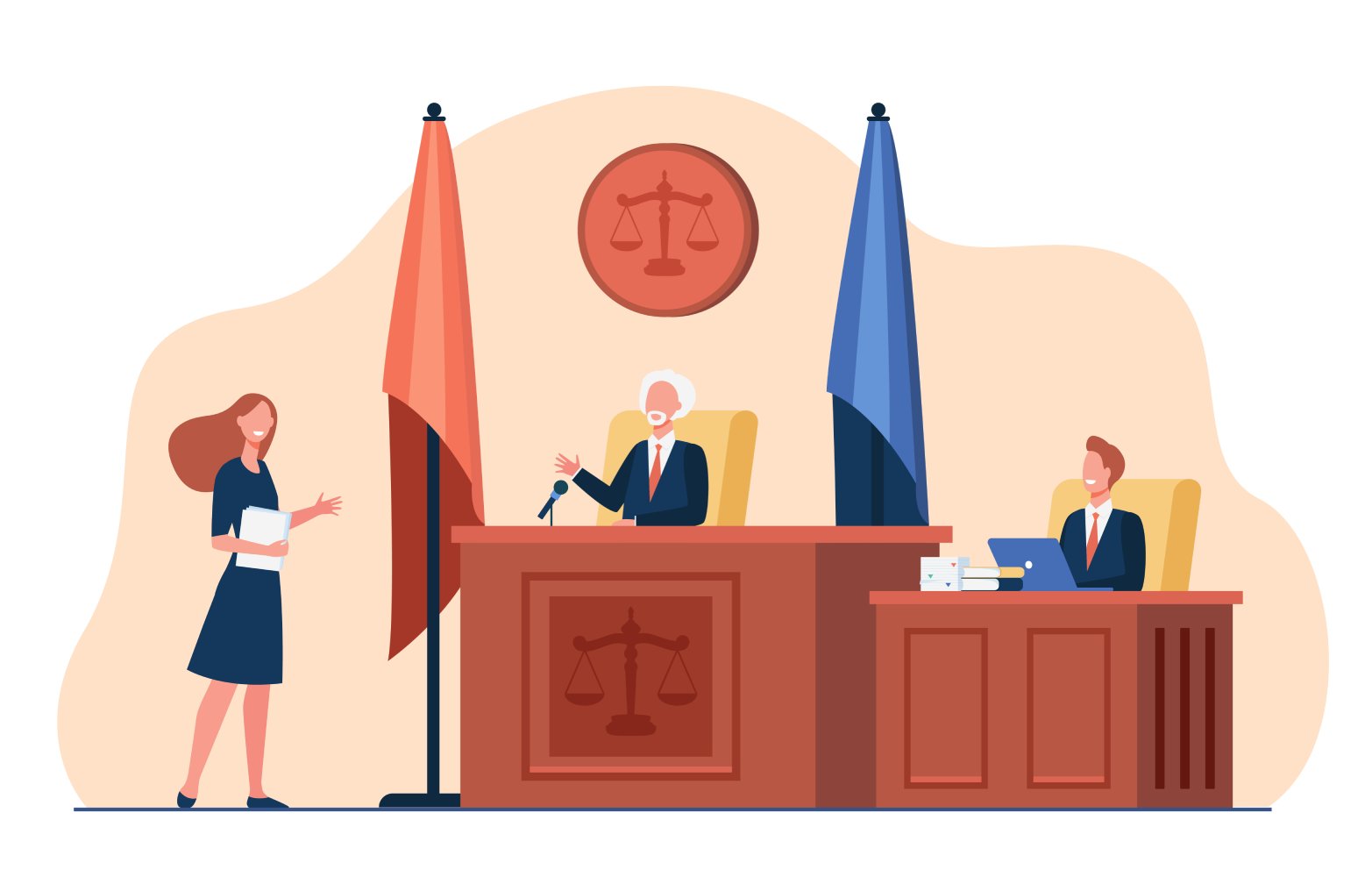
The Courtroom Exclusively for Business
In India, if you rob a bank, you go to a regular court. But if a company cannot pay back a bank loan, it goes to a special place called the NCLT (National Company Law Tribunal).
Think of NCLT as a specialized Hospital for Sick Companies. It was created in 2016 to speed up corporate cases that used to stay stuck in High Courts for 20 years. Its goal is simple: Fix the company, sell the company, or close the company—fast.
What Cases Does NCLT Handle?
NCLT isn't for petty theft. It deals with high-stakes corporate drama. Here are the three main "patients" that end up in the NCLT emergency room:
1. The "Broke" Companies (Insolvency & Bankruptcy)
The Scenario: A company took a loan of ₹10 Crores but can't pay it back. The bank is angry.
The NCLT Role: Under the famous IBC (Insolvency and Bankruptcy Code), NCLT steps in. They appoint a professional to take control of the company. They try to find a buyer to save the business. If nobody buys it within 330 days, NCLT orders the company to be sold as scrap (Liquidation) to pay the bank.
2. The "Fighting" Partners (Oppression & Mismanagement)
The Scenario: You and your co-founder started a Pvt Ltd. Now, your co-founder is secretly siphoning money or making decisions without telling you.
The NCLT Role: You can't go to the police for this; it is a civil corporate matter. You file a case of "Oppression and Mismanagement" in NCLT. The tribunal acts as the referee and can fire the bad director or order a buyout.
3. The "Marriage" Proposals (Mergers & Acquisitions)
The Scenario: Company A wants to buy Company B and become one giant entity (like the PVR-Inox merger).
The NCLT Role: Two companies can't just shake hands and merge. They need NCLT's blessing. The tribunal checks if the merger is legal, if the shareholders are happy, and if it hurts the market competition before stamping "Approved."
Why Not Just Go to High Court?
Before 2016, corporate cases were mixed with criminal cases in High Courts. A judge would hear a murder case in the morning and a corporate merger in the afternoon. It was slow and inefficient.
NCLT is specialized. The judges here (called Members) are experts in Company Law and Finance. They don't do murder trials; they only do business. This makes the process much faster (theoretically).
Summary: When Do You Knock on NCLT's Door?
- When a creditor owes you more than ₹1 Crore and isn't paying (IBC Case).
- When you want to merge with another company.
- When minority shareholders are being cheated by the majority owners.
Prevention is Better Than Cure
Going to NCLT is expensive, stressful, and public. The best strategy? Stay Compliant.
At VoroHQ, our legal arm (Law Tak) ensures your agreements are watertight and your compliance is clean, so you never end up in the "Corporate ICU" unless you want to.
Content Disclaimer
While we strive to provide accurate, up-to-date, and reliable information, VoroHQ makes no representations or warranties of any kind, express or implied, about the completeness, accuracy, reliability, suitability, or availability of the information contained in this article.
The content is provided for general informational and educational purposes only and should not be considered as professional, legal, financial, or technical advice. We recommend independently verifying all information before making business decisions or taking action based on this content.
Pricing, features, statistics, and other details mentioned are accurate as of the publication date (December 13, 2025) and may have changed since. Always refer to official sources for the most current information.
Found an error or outdated information?
We appreciate your feedback and take content accuracy seriously. Please report any inaccuracies to legal@vorohq.com. While we make every effort to review and correct reported issues promptly, no compensation or liability is applicable for content errors or omissions.
Join the Conversation
Have thoughts on this article? We'd love to hear from you!
Share Your Thoughts